
Librarians teach humans how to think for themselves!
Welcome to my instructional resource hub designed for elementary librarians! Discover engaging literacy activities, research skill builders, and critical thinking lessons that spark curiosity in K-5 students.
These interactive, standards-aligned materials make difficult concepts approachable through inquiry and play. Resources include media literacy plans, digital citizenship, signage, and more to enhance your instruction.
Subscribe for updates featuring new educational activities and innovative ideas to gamify learning. Explore my TPT store for curriculum that builds information literacy, research skills, and technology integration, helping instill a lifelong love of learning. Everything an elementary librarian needs in one place!
Score The Latest Classroom or Library Resources
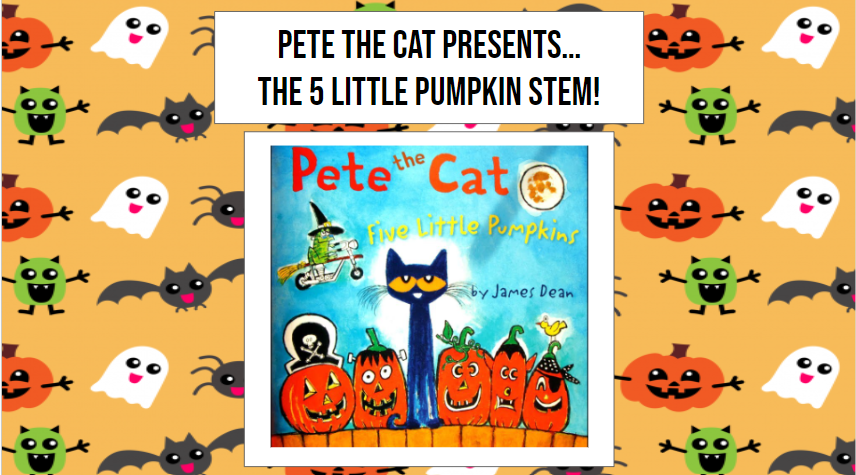
Students listen to Pete the Cat’s 5 Little Pumpkins. Then, they work together to build a fence that holds 5 ping pong ball “pumpkins”, in a row, without falling! This is a quick, low prep activity that integrates STEM and literacy. Grab the slides for this engaging October activity for K-2 students.

Students play “I Spy” in their reference databases to research simple machines. Then, they used #BookCreator to make eBooks about screws, wheels, planes & more! Snag a copy of the “I Spy” activity slides for grade 3 students.
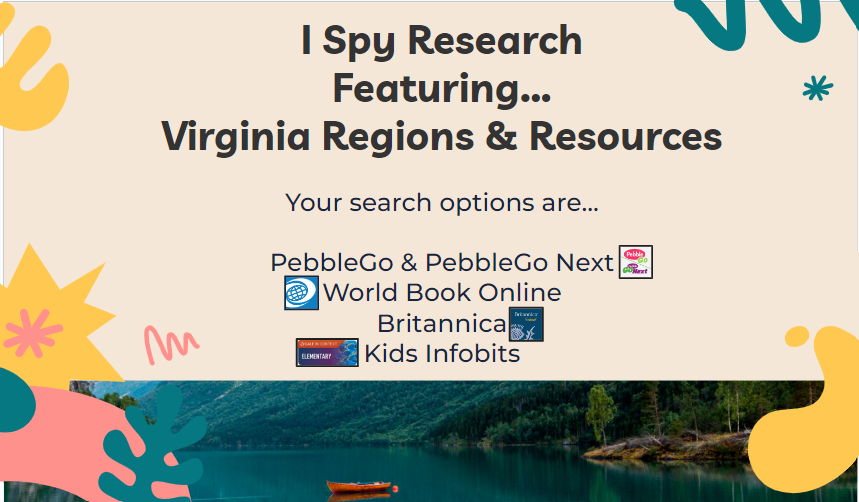
Guide 3-5 students to research Virginia’s regions using effective database strategies. Play “I Spy” to discover facts in PebbleGo, Britannica, etc. Synthesize knowledge by creating regional eBooks with nonfiction text features on Book Creator. Get the database scavenger hunt mini lesson slides here.
Research
Librarians teach students how to strategically decipher and critically analyze information from a variety of sources and perspectives.

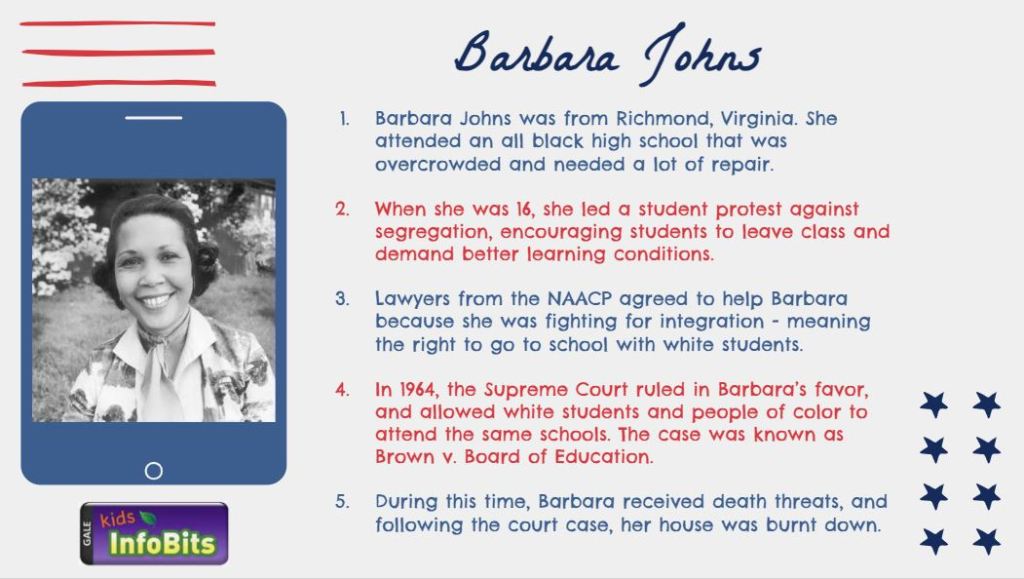
This 5th grade research activity teaches students to spot misinformation about Virginians Barbara Johns, Maggie Walker, Harry Byrd, Oliver Hill, Arthur Ashe, Linwood Holton, and Douglas Wilder. Using Encyclopedia Virginia, Infobits, World Book Online databases and Google, learners identify inaccurate facts on informational slides. They record findings in a linked Google Form to build research skills and avoid fake news. Find this interactive lesson here!
Our Digital World
Librarians teach students how to navigate the digital world. We teach students how to be safe online.
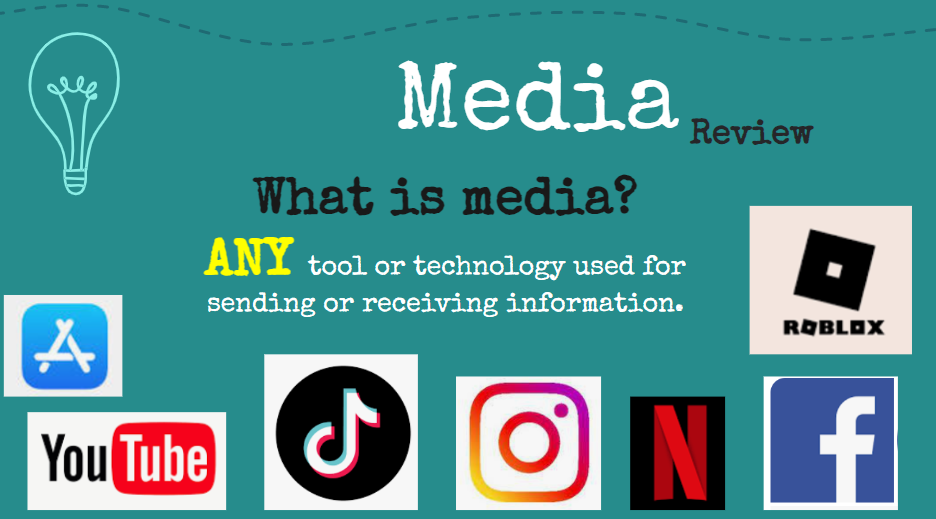
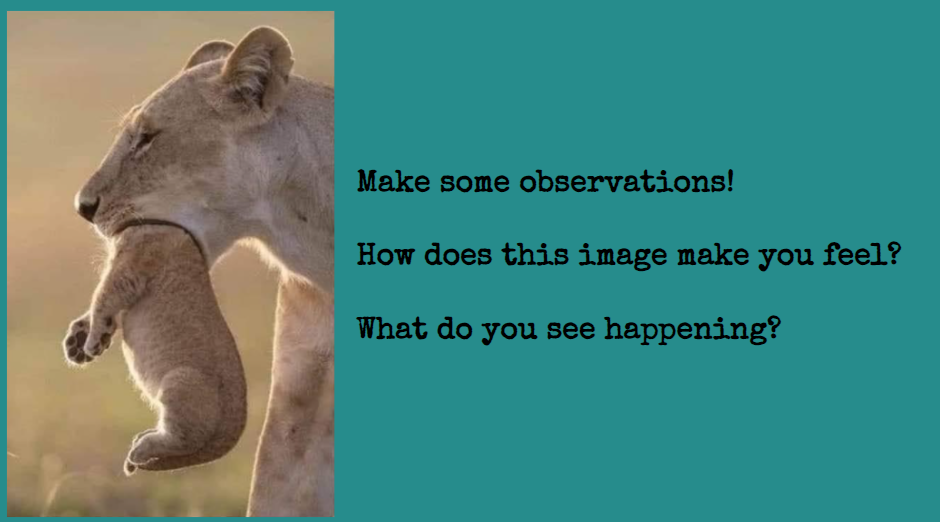
This interactive 2-day media literacy unit for elementary students analyzes media messages across auditory, visual, and written formats. Using Brainpop, Pear Deck, Blooket, and Quizizz, learners evaluate author purpose and message components like audience and content. Teachers guide analysis of media types to build student skills in assessing credibility and bias.
